
The work outgrew the mind a century ago. So every project starts from zero, every lesson is paid for twice, and the only industry that builds permanent things keeps nothing it learns.
The tools have changed.
TheMasterBuilder

Forget
The industry's standard operating procedure: build something permanent, then disband the only minds that understood it.
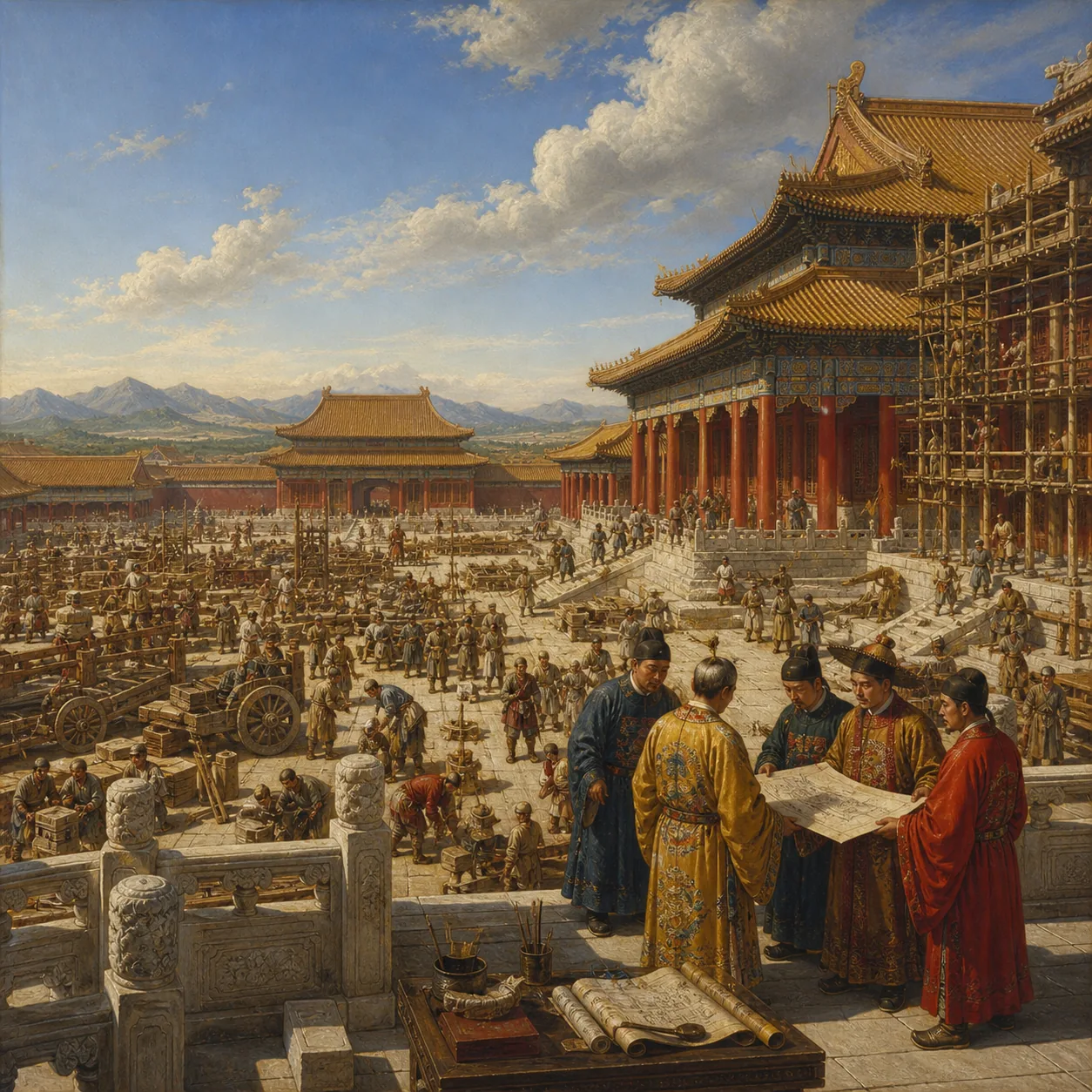
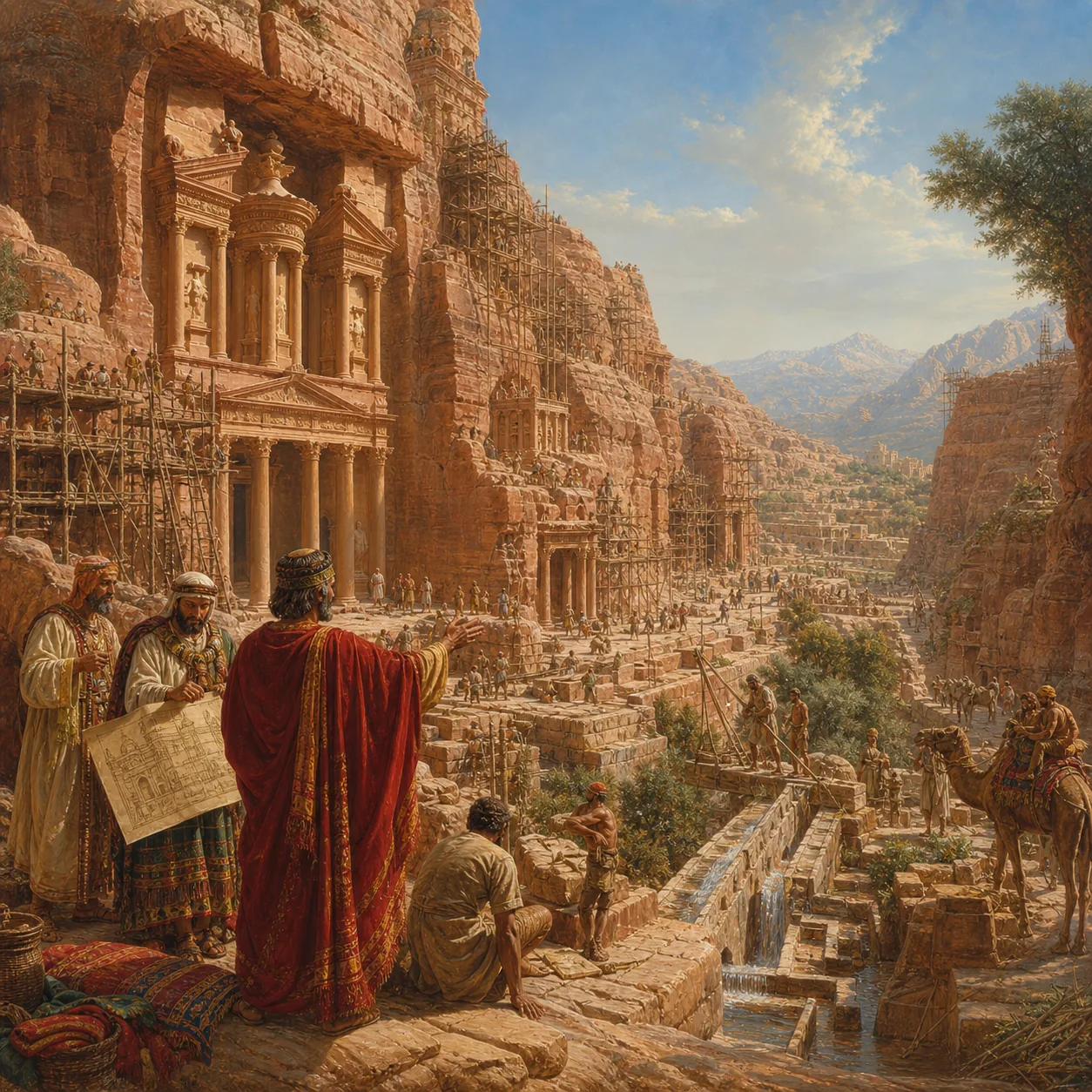
ThenThe master builder held the whole work in his head. When he walked off the site, so did it.
NowWhat a team learns can be kept, in a form the next team can ask.
A project makes thousands of decisions, each carrying years of judgment. What gets filed is the outcome. What disappears is everything that produced it — the reasoning, the trade-offs, the call made at the last moment. The documents survive. The intelligence doesn't. That is the cost we exist to end.

Read
Two thousand drawings, eight disciplines, one truth: no human team has ever read a whole project. The RFI exists to apologise for that.
ThenTen thousand pages, read by the one person who could not be everywhere.
NowEvery page, read every time, by something that never tires and always shows where it looked.
The information was always there. The clash was on the drawing, the condition was in the spec, the exclusion was in the contract. Nobody fully processed it — nobody could. These were never execution failures. They were comprehension failures, and comprehension is now a solved problem.

Where do these two pages disagree?
What did we learn last time?
What changed since last week?
Where do these two documents disagree?
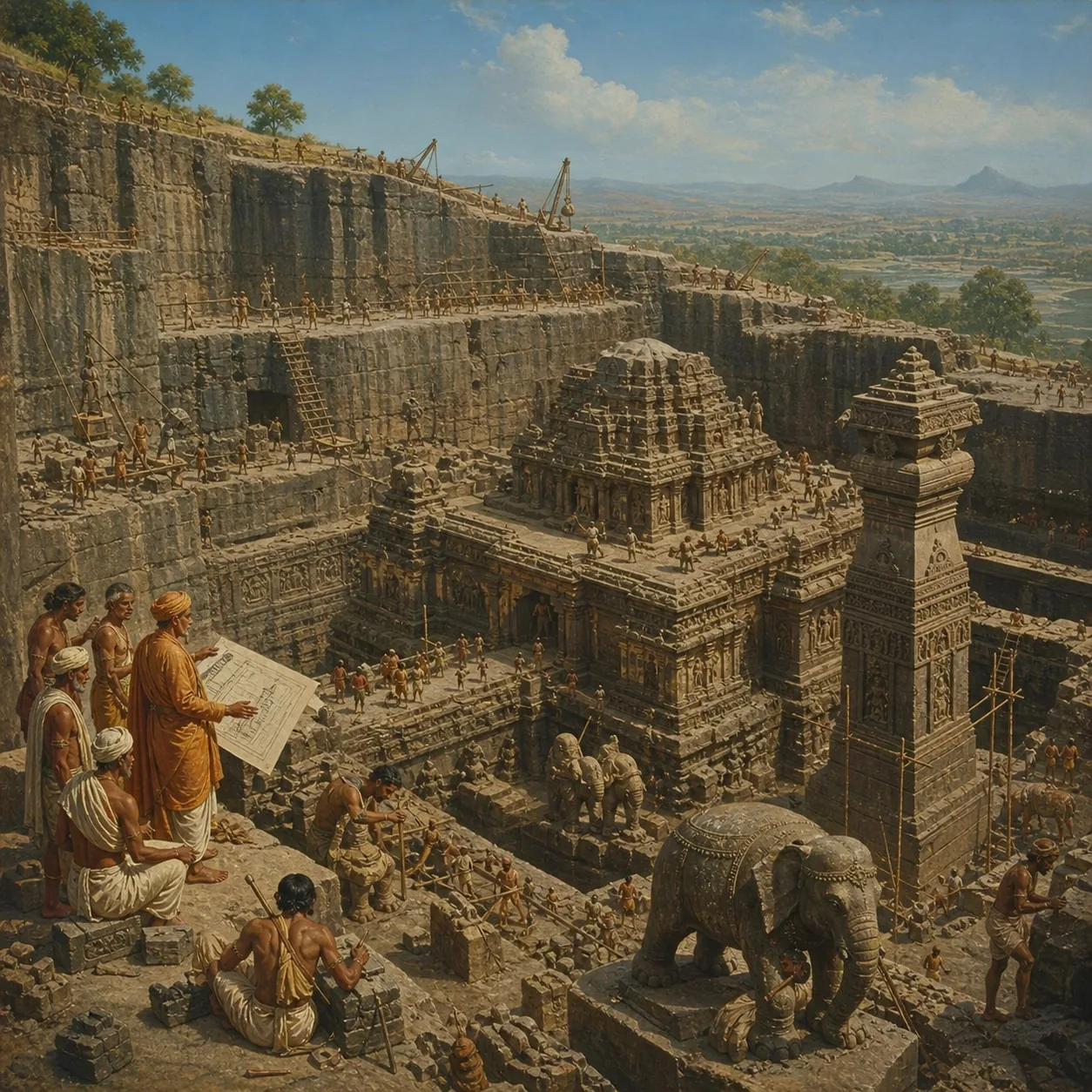
Remember
The industry keeps every document and loses every reason. The file says approved. Nobody alive remembers why.
ThenDiaries, photographs, letters. Kept carefully, and never opened again.
NowA record that answers. Ask what was decided, and it tells you who, when, and on what evidence.
Filing is not remembering. Remembering is being asked, two years later and under dispute, why the wall moved — and answering with who decided, when, and what they knew at the time. A project with that memory doesn't argue. It produces the record.
Who agreed to this, and when?
What happens if this is a day late?
What is waiting on me?
Why was this changed, and who agreed to it?
Signal
The warning always existed. It was in a diary entry, three weeks old, travelling at the speed of a hierarchy. The site moves faster than its own news.
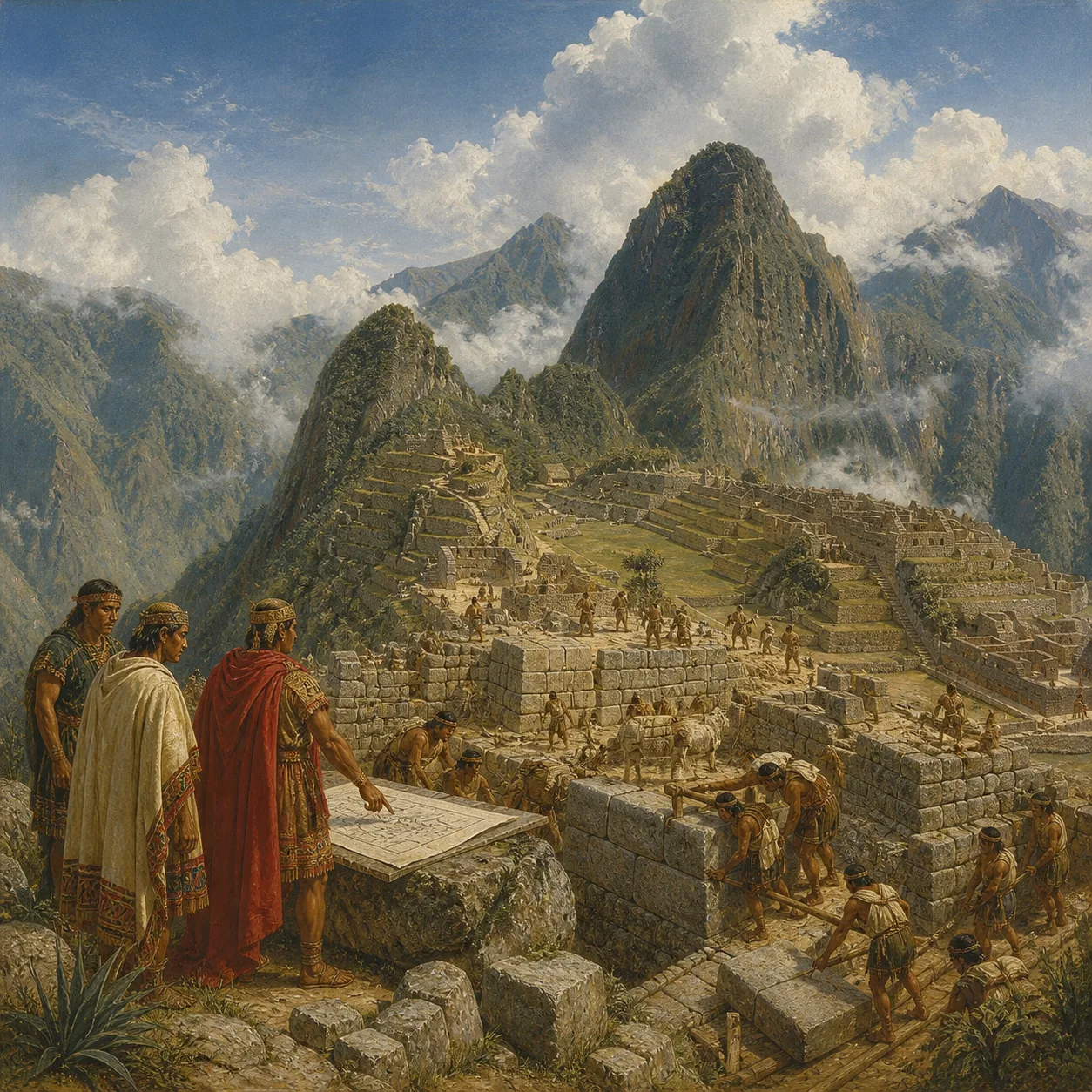
ThenThe warning was in a note, three weeks old, that no one connected to anything.
NowThe important thing finds the person, with the thread back to where it came from.
The problem was never that nobody knew. Someone always knew. The problem is latency — the time it takes for what is true on site to reach someone who can act, through a hierarchy where every relay has a reason to soften it. Good people, slow signals. We collapse the distance.
What changed since last week?
Where do these two pages disagree?
What did we learn last time?
What changed this week that I should know about?
Foresee
Every decision on a site has a date after which it stops being cheap. The industry finds out what that date was afterwards, in the claim.
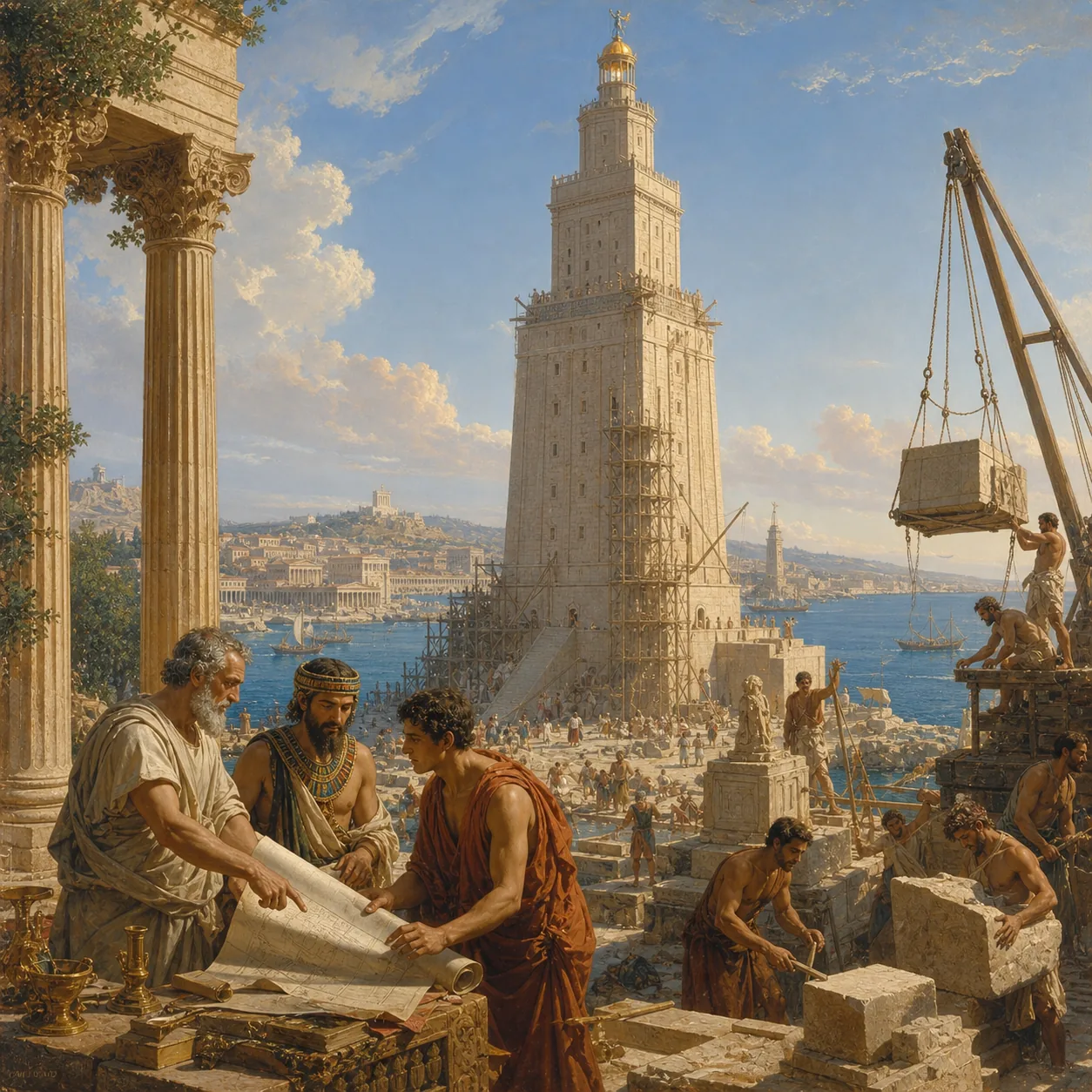
ThenA plan drawn once, trusted by everyone, true for a week.
NowA plan that knows what it depends on, and speaks before the moment passes.
Foresight is not prophecy. The calendar of decisions on a site is knowable in advance: the pour, the claim, the approval, each with its last viable moment. Foresight is holding that calendar, and being told while there is still a choice to make.
Who agreed to this, and when?
What happens if this is a day late?
What is waiting on me?
If this slips a day, what else moves?
Approve
For a century a signature has meant someone probably read it. That 'probably' is where careers end and courtrooms begin.
ThenThe approval was real. The reading behind it was taken on faith.
NowNothing moves until a person says so, and the record shows what they saw when they said it.
The system does the grunt work: reads, assembles, drafts, flags. It never signs. Nothing moves until a person with authority says so, and from that moment the record holds their name, their reasons, and everything that was known at the time. The risk stays yours. So does the credit.
- 01Gather
- 02Show
- 03Propose
- 04Decide
- 05Act
- 06Keep
Compound
The second building should be cheaper, faster, and safer than the first. In every other industry it is. In construction it never has been.
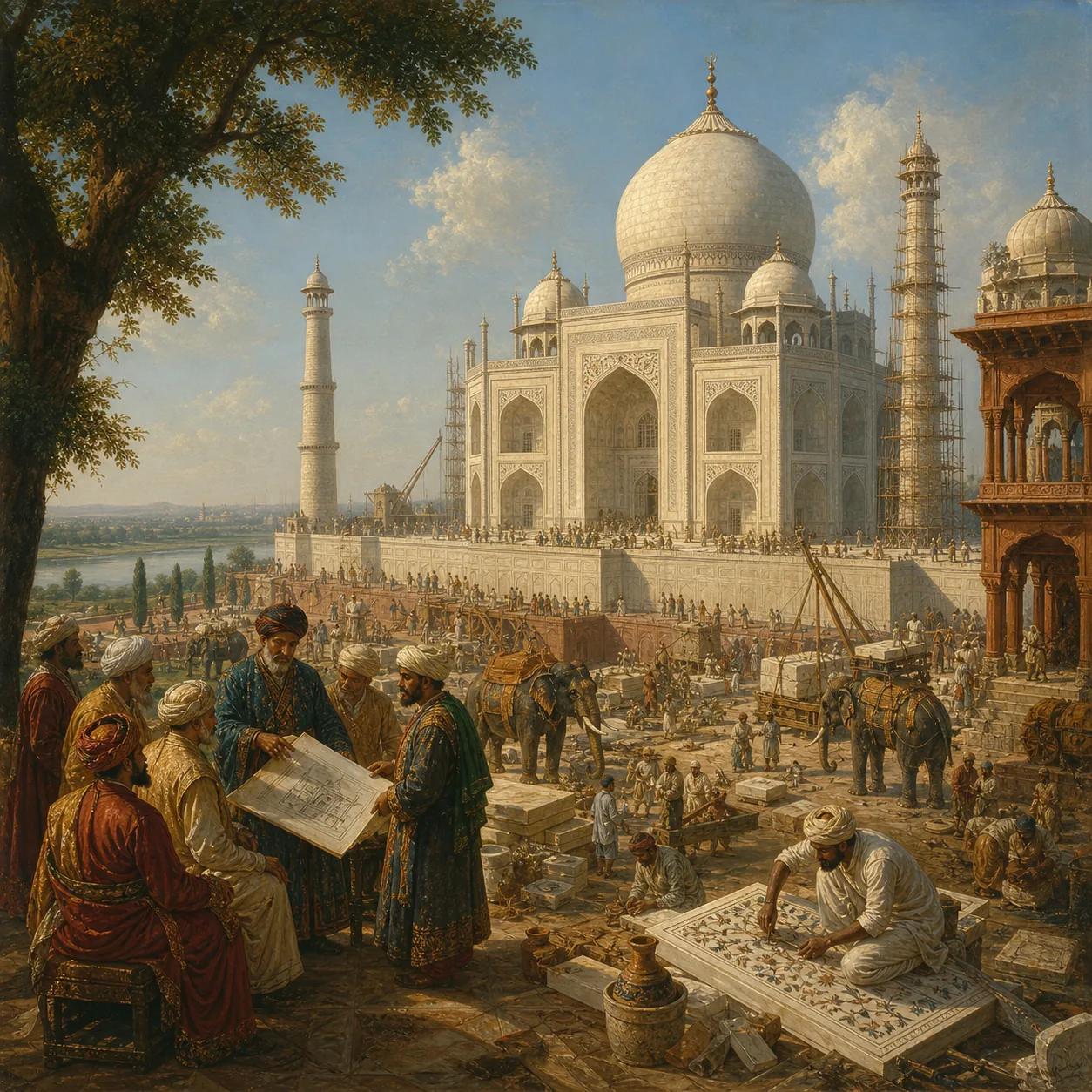
ThenEvery project began at zero. New people, same lessons.
NowWhat one team proves becomes what the next team starts with.
Medicine compounds on outcomes. Law compounds on precedent. Software carries every commit forward. Construction has been the exception for its entire history — not by choice, but because nothing could hold what it learned. That exception is over. Every job now leaves behind something the next job stands on.
Begin
Your next project does not have to start from zero. Pick the way in that fits you.
ThenYou brought the commission to the workshop. The master and his people did the rest.
NowYou can still do that. Or you can run the platform yourself.
You already know your jobs leak. Money in variations you never claimed. Time in answers that took three weeks. Lessons that left with the last team. None of that is your fault, and all of it is now fixable. Use the platform yourself, or let us run it for you. Either way, start with one project and judge it on what it finds.
The studio
Built with you, around how your team already works. It starts with a conversation.
Talk to usFrom the site
I am Mohammed Ameen, a civil engineer. I have spent a decade on Sydney sites: the deep basement under Quay Quarter, on-dock rail at Port Botany, aircraft bays at Sydney Airport, roads and parklands in the west, and now high-end residential and commercial work as a project manager.
On every one of those jobs the same thing happened. The work finished, the team scattered, and what we had learned left with us. In 2025 I started ASI Construct to end that. Each idea on this page began as something I needed on a Monday morning and could not buy.
- 2025 –
- Founder, ASI Construct
- 2024 –
- Project Manager, Steller Group. High-end residential and commercial.
- 2020 – 2024
- Site Engineer, then Project Engineer, Ward Civil & Environmental Engineering. Sydney Airport, Western Sydney Parklands, Sydney roads asset contract.
- 2018 – 2019
- Site Engineer, Mainland Civil. Port Botany rail expansion, Quay Quarter basement.
- 2013 – 2017
- Geotechnical, building and council engineering. Ground Technologies, Ozzy Build, Inner West Council.